
Cat memorial ideas that actually suit a cat
Most memorial advice is written for dogs. That is not sentiment — it is a practical mismatch. A dog leaves a collar, a lead, a bed the size of a coffee table. A cat leaves a lot of hair, a small print, and four hundred photos on a phone, most of them taken while the cat was ignoring you.
What follows is written for what a cat actually leaves behind.
What you have to work with
- A lot of fur. More than you think. A brush picks up a usable pinch in a few days.
- A small paw print. Smaller and softer than a dog's, which changes how you take it.
- Photos — usually indoor ones. On a windowsill, on a bed, on the back of a sofa, in ordinary light. They work better than people expect.
- Less hardware. Often no collar, or a breakaway one that was never worn indoors.
Six things people actually do
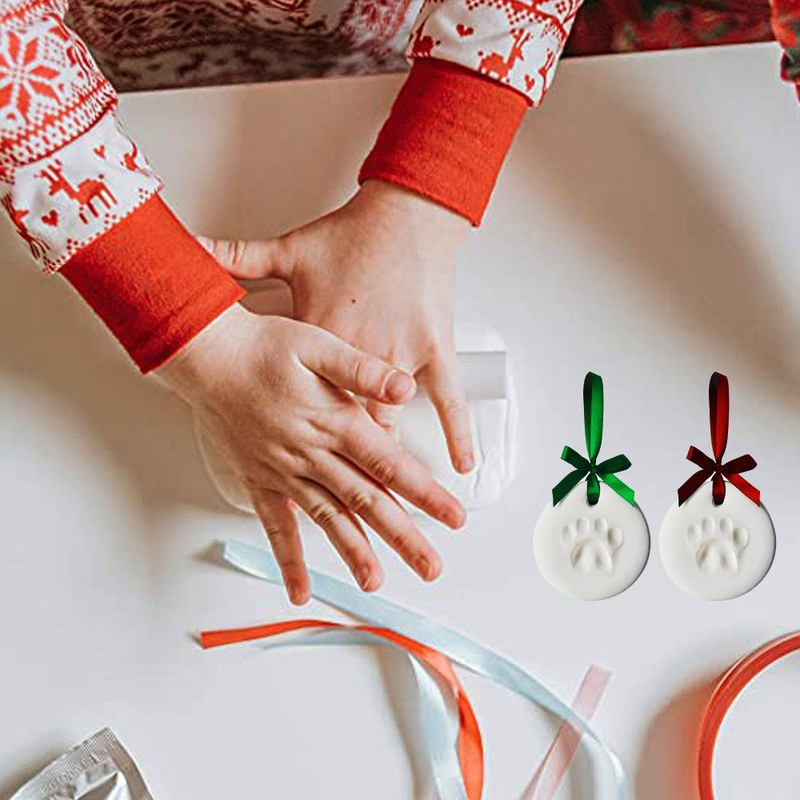
1. Take the paw print — gently. A cat's pad is small, so the press wants a lighter hand than a dog's. Press hard and the pad spreads and the outline blurs into a smudge. Clean the pad first (litter grit presses into clay), and take it when the cat is asleep or deeply relaxed. One clean front paw is enough; four attempts on a struggling cat usually ends with a scratch and nothing usable.
2. Keep a pinch of fur. Brush it onto paper, tip it into a paper envelope, write the date on it. Not plastic — a sealed bag traps moisture and the fur goes mouldy. A shallow recess behind a plate holds a pinch and never needs to leave the house.
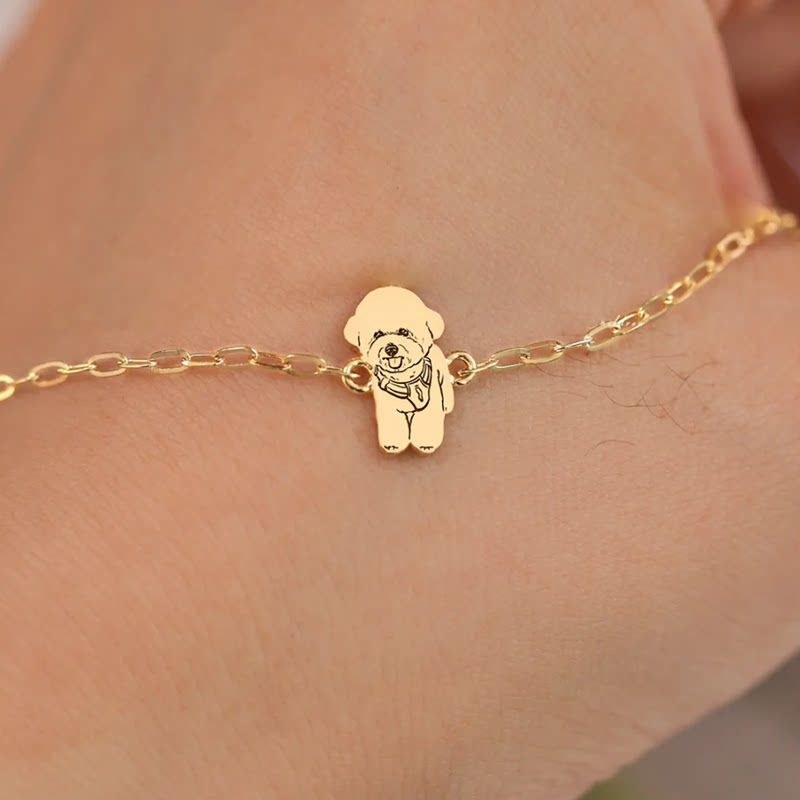
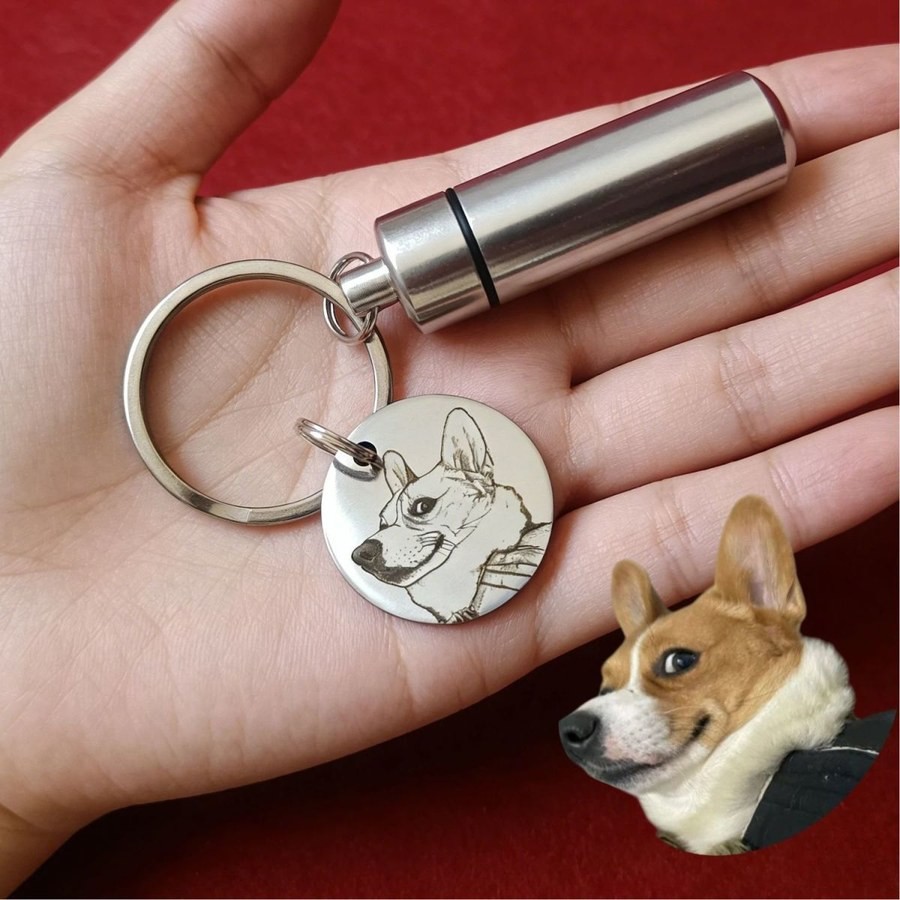
3. A portrait from a photo. The eyes and the ear shape carry a cat's likeness more than the whole body does, so a photo where the cat is looking at the camera beats a sharper one where it is turned away. A notch in one ear or a folded ear should be mentioned when ordering — those are the details that stop it looking like a generic cat.
4. Something for the garden. If there was a spot the cat sat in — a sunny patch, a particular step — that is usually a better place for a marker than a formal corner nobody visits.
5. Keep the unglamorous things. The bowl with the chip in it. The cardboard box they slept in for two years and the bed they ignored. Most people keep these and feel slightly strange about it; it is the single most common thing people do.
6. Plant cat mint, not catnip. Catnip attracts every cat in the neighbourhood. If you want something growing in that spot that is about them rather than about the local tomcats, cat mint (Nepeta) is the calmer choice and pollinators like it.
Why the paw print is harder than it looks
A cat will tolerate a held paw for about three seconds. That is not enough time to position, press and lift cleanly on a first attempt. Two things make it easier: do it while the cat is asleep, and have the clay rolled and ready on the table before you touch a paw. Everything should be in reach, because you will not get a second attempt today.
If the print was never taken, it cannot be made afterwards — the ridges are not visible in a photograph, and any service claiming to extract one from a picture is inventing the texture. A portrait is the honest alternative.
If there is another cat in the house
Two things worth knowing. Cats grieve, and the signs are quiet: calling, searching, sitting where the other cat used to sleep, eating less for a few days. It usually settles, and it usually takes longer than people expect.
Do not wash the bedding straight away. Familiar smell is most of what is left for them, and stripping it in the first week is one of the things people most often regret. If you need to clean for hygiene reasons, keep one unwashed blanket aside.